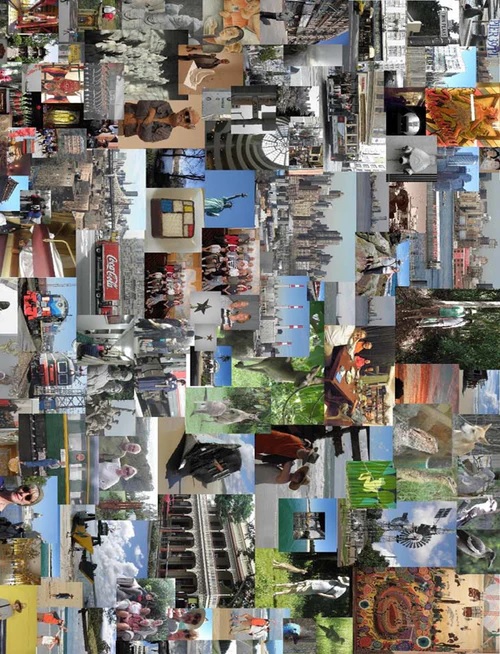
Philosophy is not rocket science!
We all have to come to terms with reality as it appears to us individually.
I have written several books giving a wealth of research background that got universities to award me degrees of MSc, & PhD, and allow me to teach in universities in Scotland and Ireland, and London, against, totalitarian understandings.
I explore the ways we personally deal with what we call reality. much in the way described by Kristeva in the 1993 English edition of Nations without Nationalism in which (page.69) she demands a rehabilitation of democractic nations so that in the 21st century individuals rid ourselves of fundamentalisms, religions illusions, and ethnic wars.
I work under the rubric, the title, of metaphenomenalism.
I attempt to be anti-totalitarian and anti-authoritarian and so I have started to explain a philosophical anarchism in my latest books “Sniffers,” and “Starstruck.”
You can get in touch with me using the contact page on this website and I will reply to you as soon as I can, usually a few days at most.
Dr. Bill Thompson.
Metaphenominalism – a better way to appreciate reality without fundamentalisms, religious illusions, and ethnic wars. A new basis for democratic governance of sovereignties beyond socialism. A philosophy that understands Individuals as experiencing the ever changing phenomenal milieu disambiguated by individuals into distantiations appearing as vocabularies of the flesh allowing for individual differences, species differences, cultural and ethnic differences, heterogeneously because of our philosophical understanding under the rubric of metaphenomenalism.
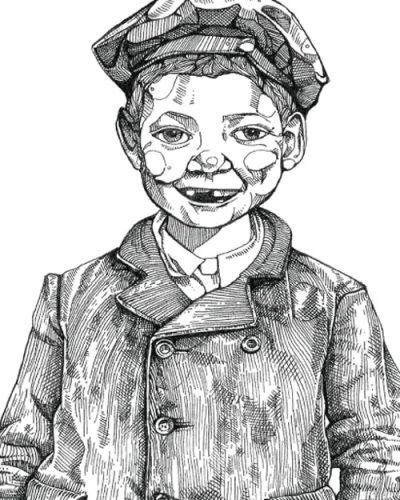
Smile
This book tells you how you arrive at an understanding in context. It doesn’t tell you how to get there or what to do when you do. It just tells you that you arrive at the understanding you become so convinced is true that you make it real.
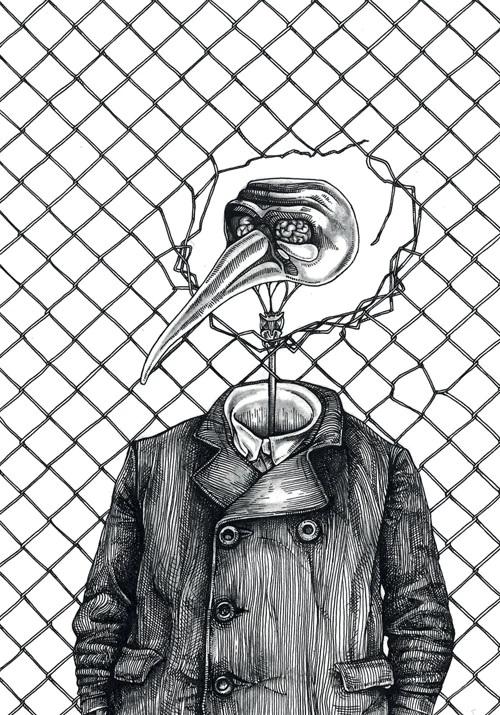
Voices
Voices explains how we use phenomena, pictures, and models, to manage the understandings we have of reality. This might encourage you to understand the old analytical philosophy as the enemy of your own ability to make a reality for yourself.
Play
As we gain experience of our own reality we become aware of alternative realities. As speaking mammals, we add to the phenomena we use to contextualise with. We can try to learn more but it is necessary to have some control over the ways we learn. When we make sense of phenomena and our feelings, we can share new phenomena, pictures, models, and realities that are more complex.. The best we can do, however, is to be more and more comfortable in more and more complex realities.

Wander
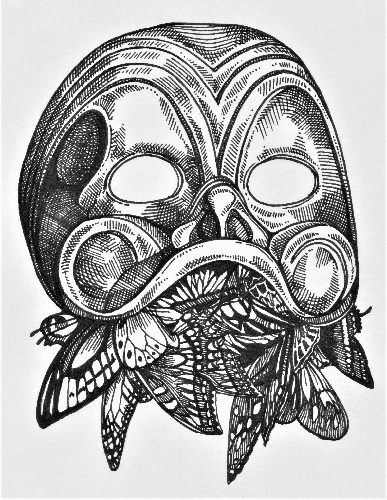
The author started writing as a child. By seven wanted to be an architect. By twenty-four had become a builder. Then a cook and part owner of a restaurant. At the age of fifty, having qualified as an architect, he decided that architecture as a discipline was a social science of some sort, pitifully misunderstood in reality. On this basis he earned a masters at UCL, then a PHD at Heriot Watt. Taught cultural contexts at the university of Ulster architectural school (2001 – 2010) then retired to write about understanding, in a series of books, this one being the fourth. The first three were about sharing the management of understanding reality. This fourth is about what it is like to wander from country to country, so reality to reality, and the new understandings needed when we do this.
Learn
LEARN is the fifth book after SMILE, VOICES, PLAY, WANDER.
In reality, we have to deal with the different legal systems in each of the “countries” we live in if we wander from one to any other one of them.
LEARN shows how the phenomena, pictures, models, and understandings we share under one rule of law, turn out differently in several ways. Particularly, even though we share the same Earth, how the reality that each system of law has to deal with, in fact different consequences of its own realities.
Such a challenge to our abilities to understand is a fairly recent phenomenon, the wish to understand each other when we have been brought up under different rules of law in different countries.
We word making mammals producing word phenomena as we do, require a progressive socialisation of the EARTH contextualising ourselves peacefully if we can.
The methodology of this theory is the use of DEPTTHH, an understanding of the developmental, existential, phenomenal beginnings, of consequential boundaries that help understand and restrain the hubris we had in our own contries, using our own understandings but in new situations.